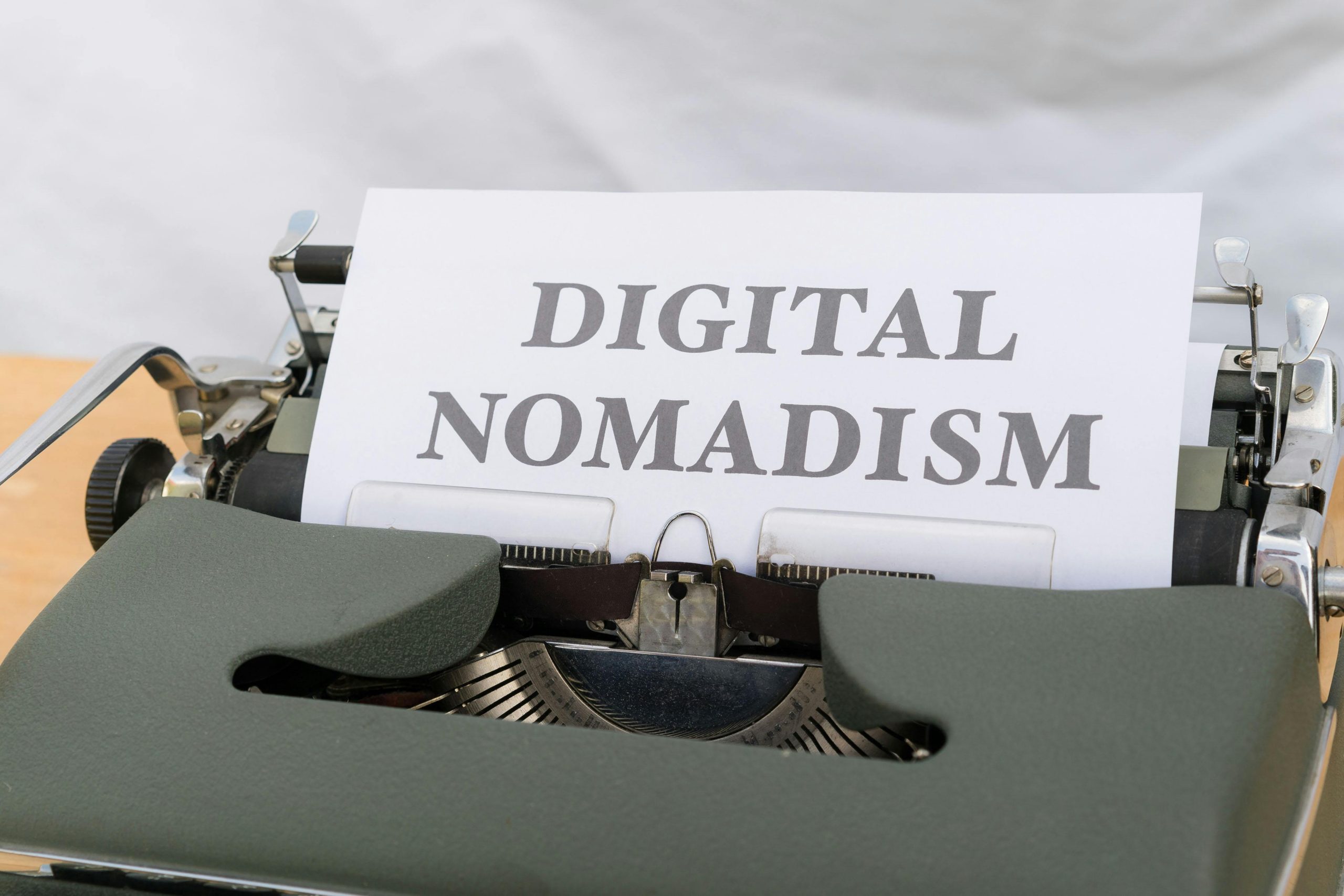
Balancing Tradition and Technology: Choosing Between Paper and Digital Notes
As students and lifelong learners, we often grapple with a fundamental question: should we stick to traditional paper notes, or embrace the flexibility and convenience of digital note-taking? This dilemma becomes especially pertinent when considering the impacts on memory retention, practicality, and personal preference. Let’s explore both sides of this debate, inspired by personal experience and current research.
The Power of Paper Notes for Memory and Retention
Reflecting on a recent moment, I was assisting my niece with a math problem—factoring, to be specific. Instantly, memories of my own early engineering coursework flooded back. I could picture the exact notebook, the layout of the pages, and even the specific spots where key notes were written. These physical cues played a significant role in triggering recall, bolstering my confidence in helping her, and showcasing the tangible strength of handwritten notes.
Research supports this anecdotal observation. Several studies suggest that taking notes on paper can enhance retention more effectively than digital alternatives. This may be due to the sensory and spatial cues associated with physical notes, which help engrain information more deeply in our memory. Additionally, many find that handwritten notes feel more intentional and less distracting, fostering a sense of accomplishment and motivation that digital notes sometimes lack.
The Drawbacks of Paper Notebooks
Despite their advantages, paper notebooks come with notable limitations. They can be cumbersome to store, especially over years of accumulating notes from various stages of education. Dust, mold, and physical degradation are common concerns for long-term storage. For individuals constantly on the move—such as international students or those with nomadic lifestyles—carrying and maintaining extensive physical archives becomes increasingly impractical.
Moreover, the environmental impact and space considerations make paper less sustainable in the long run. The physical weight and volume of countless notebooks often exceed comfort and convenience, prompting many to reconsider their reliance on paper for ongoing learning.
Embracing Digital for Flexibility and Convenience
In recent years, digital note-taking has gained popularity, offering unparalleled flexibility. Devices like tablets and 2-in-1 laptops equipped with styluses enable users to write, draw, and organize notes effortlessly. Cloud storage ensures that notes are accessible from anywhere, securely archived, and easily editable. Additionally, digital notes occupy minimal physical space and can be integrated with various apps for enhanced productivity, such as search functions, linking, and multimedia embedding.
As an international student, I’ve found digital notes particularly advantageous. They