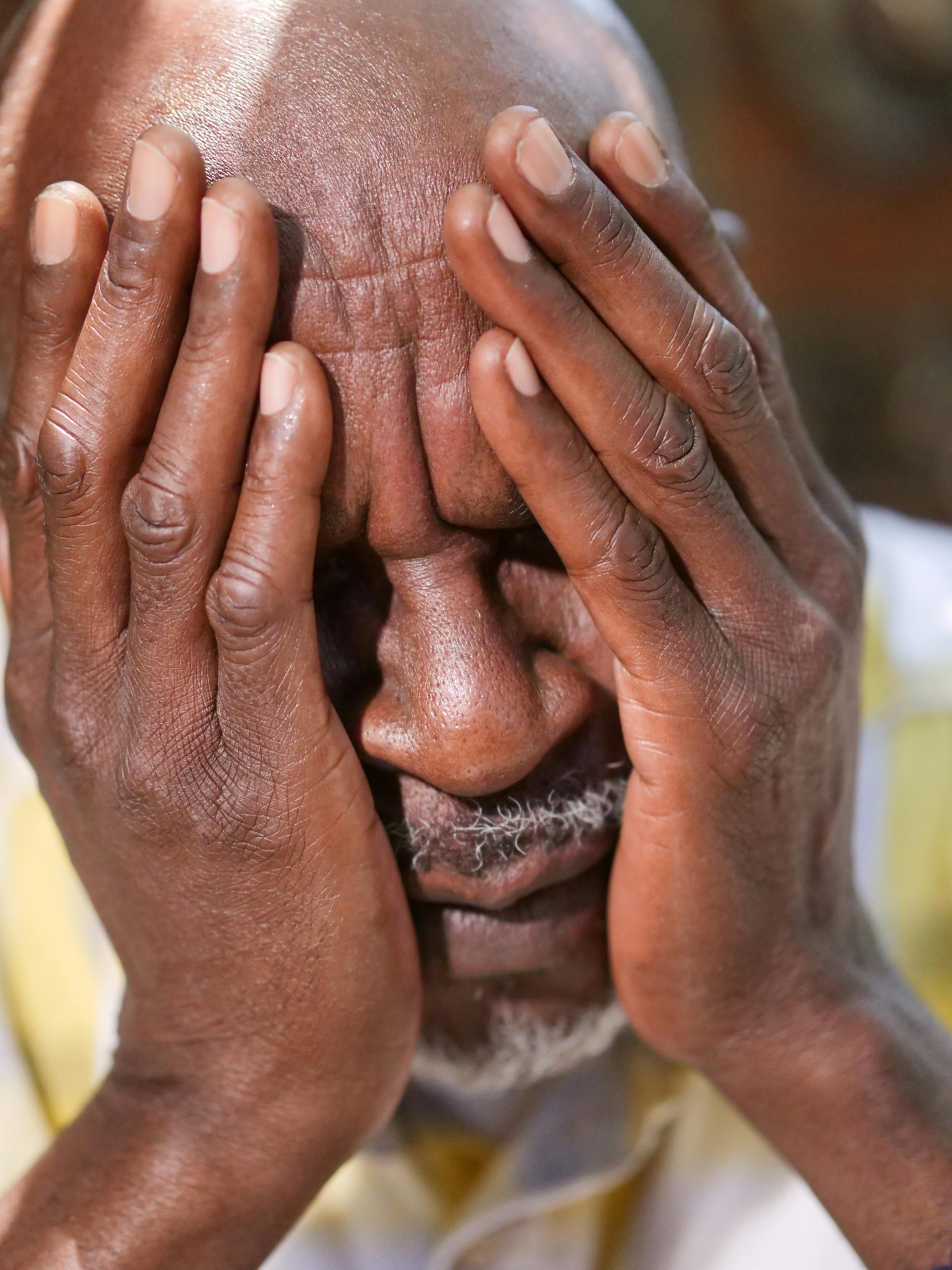
Navigating the crossroads: Finding fulfillment beyond a neuroscience degree
Many students find themselves at a critical juncture during their academic journey, questioning whether their chosen path aligns with their passions and long-term aspirations. This situation is especially poignant for those who, like many, have explored multiple fields of interest before settling into a rigorous program. Here, we explore the story of a student with a diverse background in art, psychology, and neuroscience, and delve into the emotional and practical challenges of pursuing a degree that no longer feels like the right fit.
A Journey Through Multiple Disciplines
Starting with a year in art school, this student initially engaged with creative pursuits but soon shifted to study neuroscience after reassessing their career prospects and personal interests. Despite excelling academically—maintaining a strong GPA, participating in research, and engaging in extracurricular clubs—they describe a persistent feeling of disconnection. The passion for art remains, yet the current academic and professional trajectory feels suffocating.
The Inner Conflict: Science vs. Creativity
While building a solid foundation in neuroscience, the student reports feeling increasingly constrained by the ‘scientist’ identity they’ve adopted. Though surrounded by supportive friends and immersed in scientific literature, the experience often feels like a chore rather than a passion. The fear of wasting significant parental financial investment and their own efforts weighs heavily, especially with aspirations to pursue graduate studies.
Yet, despite being engaged in research environments, they find the work increasingly unfulfilling. The prospect of dedicating their life to neuroscience seems daunting, and their desire to stay connected to art and creative pursuits persists.
Emotional and Practical Challenges
This internal struggle is compounded by concerns about practicality and life satisfaction. The student enjoys drawing and creating in free time, but these activities feel insufficient, leaving a sense of longing for a career aligned more closely with their artistic interests. They grapple with questions about alternative paths—considering fields like graphic design or architecture—yet express uncertainty about how to transition and whether these options are feasible given their current commitments.
Navigating Uncertainty and Finding Fulfillment
For individuals facing similar dilemmas, it’s essential to recognize that feeling lost or conflicted is a common part of career development, especially when multiple passions coexist. Here are some considerations and steps that may help in exploring a more fulfilling path:
-
Reflect on Priorities and Passions: Revisit what drew you to art and creativity initially. Is there a way to incorporate these passions into your current life, perhaps through side projects, freelancing, or continuing education?
-
Explore Interdisciplinary Opportunities: Fields like neuroarts or biomedical illustration may bridge your interest in neuroscience and art. While neuroarts might seem limited, expanding your horizons to include fine arts or design-oriented careers could be more fulfilling.
-
Seek Mentorship and Guidance: Talking with professionals who have integrated science and art can provide insights and potential pathways. Academic advisors, career counselors, or alumni networks can offer support.
-
Consider Practical Transitions: If feasible, taking electives or part-time courses in graphic design, architecture, or related fields might open doors to new careers without a complete departure from your current path.
-
Prioritize Self-Care and Balance: Maintaining creative outlets and hobbies can help sustain emotional well-being during times of uncertainty. Remember that career paths are rarely linear, and exploring different interests is a valuable process.
-
Plan for the Future: Whether you decide to pursue grad school, switch fields, or combine your interests, having a flexible plan can alleviate anxiety. Remember that many successful individuals pivot multiple times during their careers.
Final Thoughts
Feeling caught between different passions can be disorienting, but it also signals a period of self-discovery. Your diverse background and interest in both science and art are valuable assets that can lead to unique and rewarding career paths—be it in neuroarts, design, or a hybrid discipline. Patience and openness to exploring new opportunities are key. Trust that with deliberate planning and self-compassion, you can forge a path that aligns with both your professional goals and personal fulfillment.
Your journey is uniquely yours. Embrace the uncertainty as an opportunity to discover a path that truly resonates with your passions and talents.