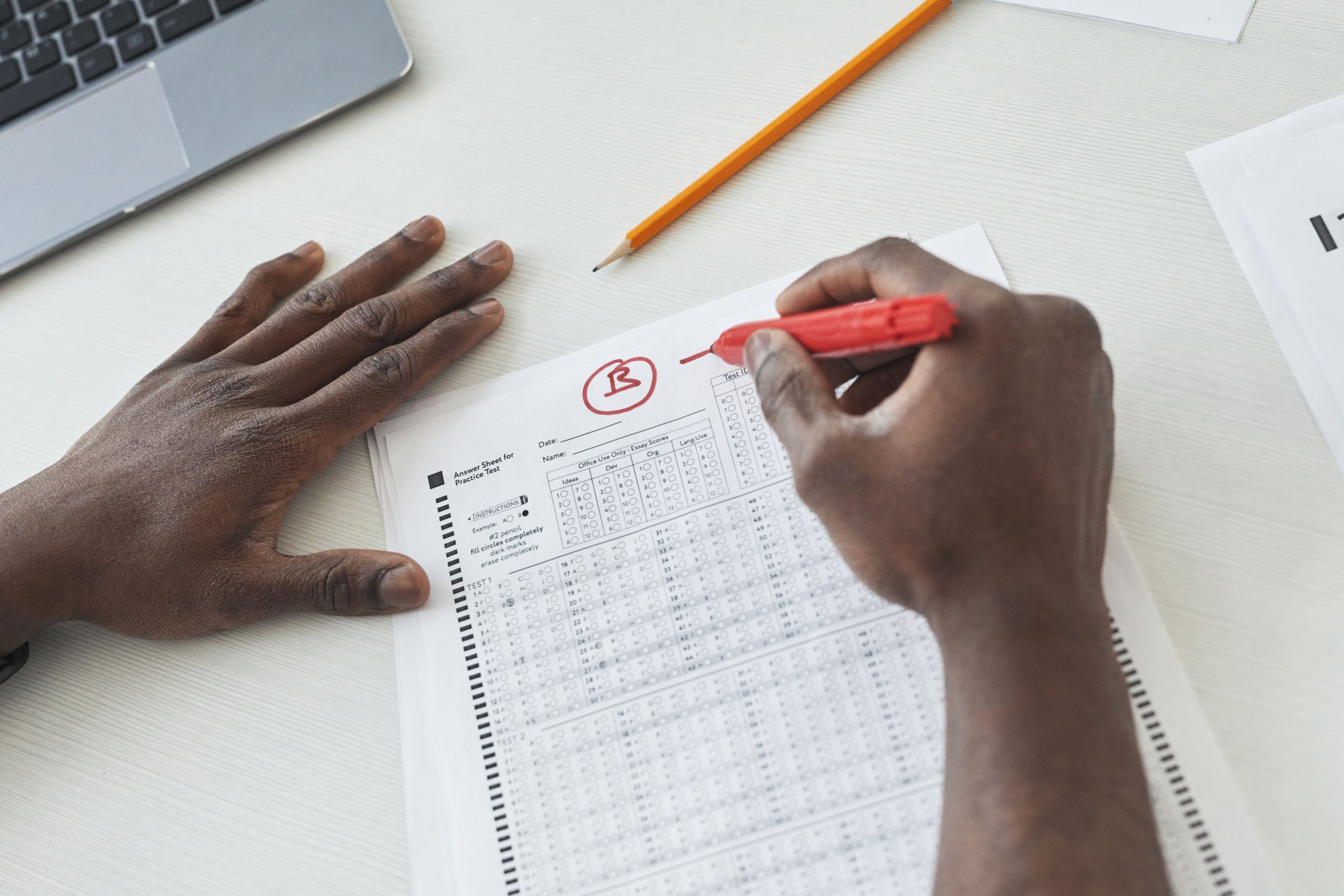
Understanding the Challenges of Unacknowledged Coursework: Navigating Grade Delays in Online Courses
In the realm of higher education, online courses offer convenience and flexibility but can also present unique challenges—one of which is the delay or lack of timely feedback from instructors. Recently, a student shared their experience of dealing with a professor who has not graded assignments since early March, less than a week before the semester concludes. This situation highlights important considerations for students facing extended grading delays and offers guidance on proactive steps to address such issues.
The Situation: An Unanswered Call for Feedback
The student, enrolled in a specialized topics class they have enjoyed, expressed concern over the absence of graded work for several months. The course includes weekly discussion boards and two major papers. Although the student submitted the first major paper late—with the instructor’s prior approval—it remains ungraded. The student worries that this late submission might be overlooked or unfairly penalized due to the late marking, especially since grades and feedback are vital for improving subsequent assignments.
Despite reaching out multiple times via email since April 28 to request feedback, there was no response from the instructor. The student is also concerned about the impact on their overall grade, which is currently a high 99%, yet is based only on earlier discussion board assessments. With the semester ending soon, the uncertainty generates considerable anxiety, especially because the course is online and in a different state—limiting in-person communication options.
Implications of Ungraded Assignments
Delays in grading and feedback can have significant repercussions:
- Student Anxiety: Uncertainty about grades and instructor responsiveness can cause stress and affect academic performance.
- Impact on Final Grades: Without timely feedback, students may struggle to improve their work or correct misunderstandings before final submissions.
- Institutional Communication: Extended silence from instructors may indicate workload issues, technical difficulties, or other administrative challenges that need addressing.
Proactive Steps for Students in Similar Situations
If you find yourself in a comparable scenario, consider the following strategies:
- Document Your Communications: Keep records of all emails and messages sent, including dates and content.
- Reach Out to the Department: If the instructor remains unresponsive, contact the course department or Program Chair to express your concerns professionally. Explain the situation and request guidance on how to proceed.
- Utilize Online Office Hours or Additional Contacts: If the instructor has scheduled office hours or alternative contact methods, use them to seek clarification.
- Stay Focused on Your Overall Performance: Continue engaging with the course material to maintain your current grade. Consider reaching out to academic advisors for support if needed.
- Understand Institutional Policies: Familiarize yourself with the institution’s policies regarding grading delays and grade disputes, which can inform your next steps.
Conclusion
Extended grading delays are an unfortunate but not uncommon aspect of online education. While such situations can be distressing, proactive communication—both with instructors and departmental administrators—can often help clarify the situation and protect student interests. Maintaining professionalism, keeping thorough records, and leveraging institutional resources are key strategies to navigate these challenges effectively.
As the academic semester concludes, staying informed and engaged—even in the face of uncertainty—can help ensure that your hard work is recognized and appropriately assessed. Remember, seeking support and clarifying concerns is a sign of proactive engagement and can make a meaningful difference in your educational experience.