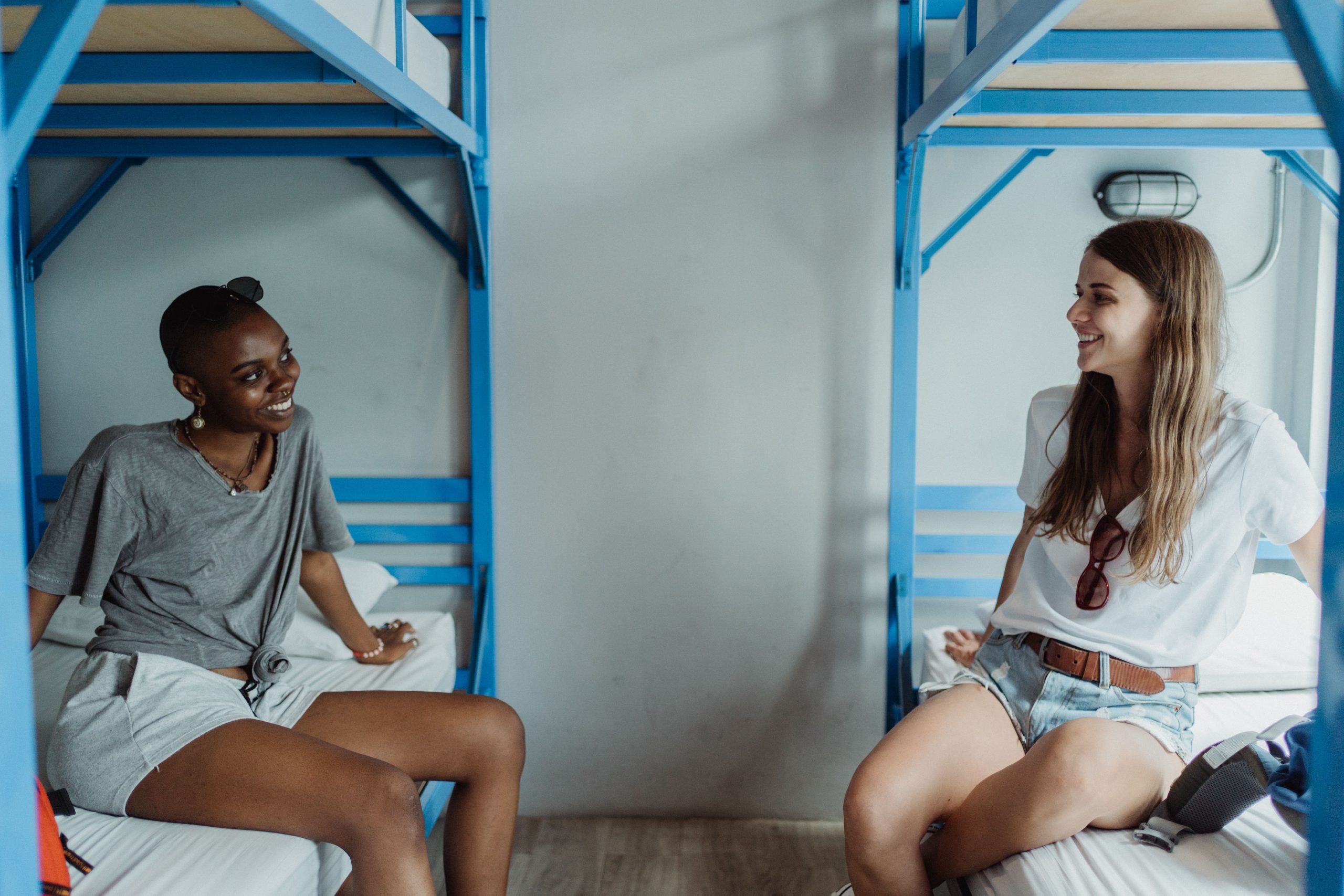
Navigating Social Connections When Living Solo: Does Having a Roommate Make Friendship Easier?
For many individuals, the living arrangement can significantly influence their opportunities for social interaction. If you’re transitioning to living alone—whether due to personal choice or circumstances such as a disability—you might find yourself wondering: Does having a roommate make it easier to meet new friends? And what are the best strategies if you’re living solo and tend toward introversion?
The Role of Shared Living in Building Social Networks
Living with a roommate often naturally facilitates casual conversations and spontaneous interactions, providing opportunities to forge connections. While a roommate isn’t necessarily a close friend right away, shared living arrangements can break down social barriers and create a comfortable environment for interactions. Conversely, living alone means these impromptu encounters may decrease, potentially leading to a more isolated experience.
Challenges Faced by Introverted Individuals and Those with Disabilities
For individuals with disabilities or those who are naturally introverted, the prospect of initiating social interactions can be daunting. Feelings of isolation are common, especially when living without a built-in social partner. Recognizing these challenges is crucial in developing effective strategies to foster social connections without feeling overwhelmed.
Strategies to Build Community and Friendships as a Solo Resident
-
Participate in Study Groups and Academic Activities: Engaging in academic or hobby-related groups provides shared interests as a foundation for new friendships. These settings often foster natural interactions and can be less intimidating for introverted personalities.
-
Join Campus or Community Clubs: Whether it’s a book club, sports team, or volunteer organization, participating in these groups can expand your social circle and provide opportunities for meaningful connections.
-
Utilize Campus Resources: Many universities offer social events, counseling services, and peer groups designed to support students in building community.
-
Leverage Online Communities: Virtual groups related to your interests or experiences can serve as supportive networks, especially if face-to-face interactions feel overwhelming initially.
Balancing Social Opportunities with Personal Comfort
It’s important to respect your own boundaries and comfort levels while seeking social engagement. Incremental steps—such as attending a study session or chatting briefly with classmates—can gradually build confidence and social skills.
In Conclusion
While having a roommate can facilitate spontaneous social interactions, living alone doesn’t preclude forming meaningful friendships. By actively participating in university activities, joining interest-based groups, and utilizing available resources, you can foster a vibrant social life tailored to your comfort and needs. Embracing these opportunities can enrich your college experience and help you build lasting connections, even when living solo.
If you’re navigating similar experiences and have additional tips or insights, feel free to share in the comments below.