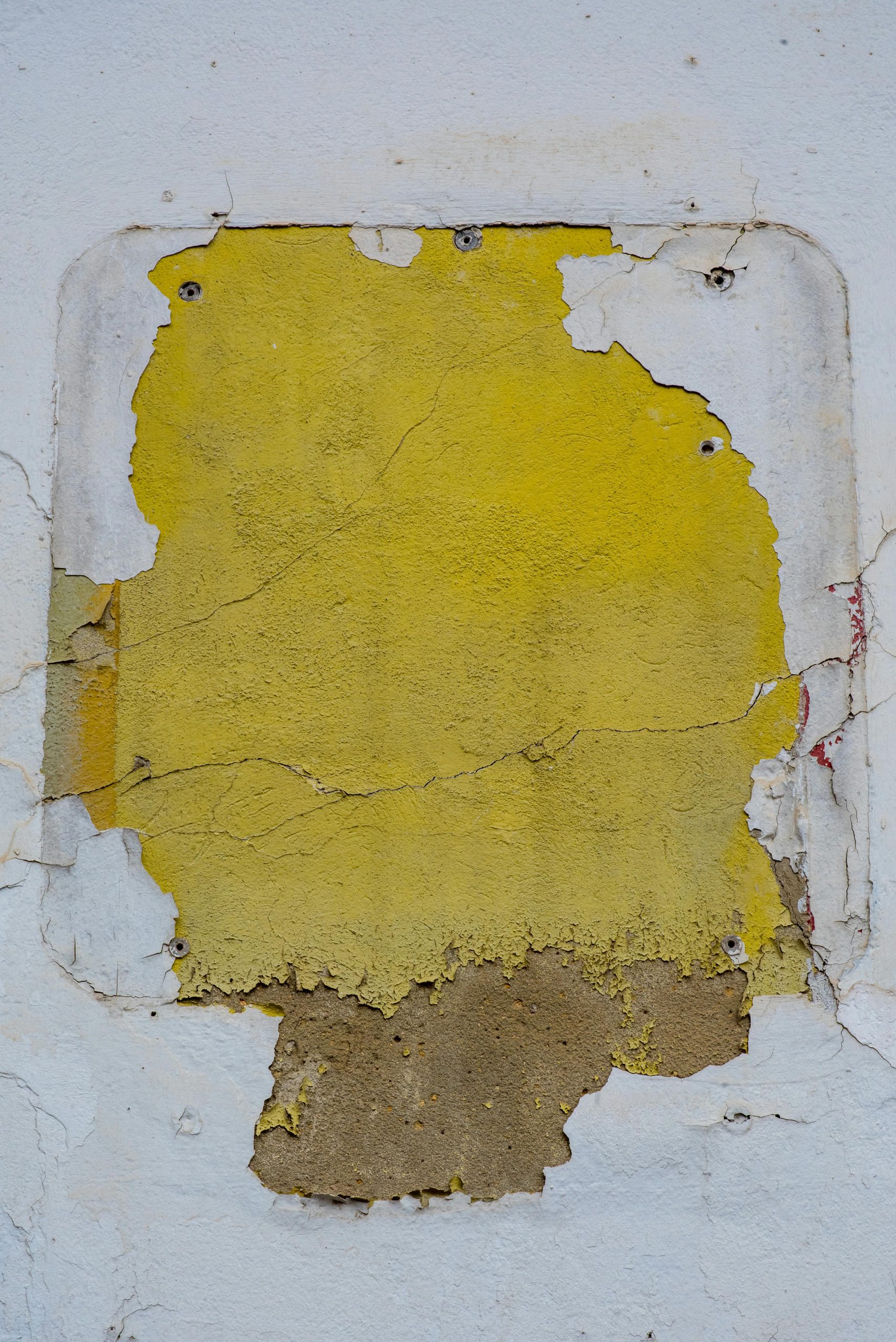
Title: Navigating Unexpected Charges for Dorm Room Damage: A Case of Chipped Paint
Living on a college campus can be a memorable experience, but sometimes unexpected issues arise—such as charges for minor damages. Recently, a student faced a surprising fee from campus housing over chipped paint around a smoke alarm in their dorm room.
The dormitory, which was constructed over 60 years ago and last renovated more than two decades ago, was cited for “chipped paint around the smoke alarm.” The institution has proposed a $200 charge for this seemingly minor issue. Importantly, the student clarifies they did not cause the damage—they neither smoked nor used substances inside the room that could have led to paint deterioration. It’s also worth noting that the chipped paint likely existed prior to their occupancy, given the age of the building and its last large-scale renovation.
Despite appealing the charge and providing a formal rebuke, the campus housing administration maintains that the fee is justified. Unfortunately, there are no photographs of the damage, making it more challenging to contest the fee directly.
This situation raises several important considerations for students in similar circumstances:
1. Review Housing Policies:
Familiarize yourself with the dormitory’s guidelines on damage charges. Many institutions specify what constitutes chargeable damage versus normal wear and tear, especially in older buildings.
2. Document Everything:
In future instances, immediately photograph any existing damage upon move-in and before move-out. This documentation can help substantiate claims that damages predate your occupancy.
3. Understand Your Rights:
Many schools have dispute resolution processes for housing issues. Check if your institution offers mediation or appeals procedures for damages or charges.
4. Communicate Clearly and Respectfully:
When contesting charges, provide a detailed explanation, referencing building age, previous state, and any relevant circumstances. Keep correspondence professional and keep copies of all communications.
5. Seek External Advice if Needed:
If you believe the charge is unfair or unreasonable, consider consulting student advocacy organizations or legal resources that specialize in student rights.
While minor damages such as chipped paint may seem trivial, they highlight broader issues related to maintaining older buildings and clarifying the responsibilities of tenants. If you find yourself in a similar situation, approach it methodically, gather evidence, and advocate for yourself through the appropriate channels.
Navigating housing disputes can be challenging, but with patience and proper documentation, you can better manage unexpected charges and ensure fair treatment.