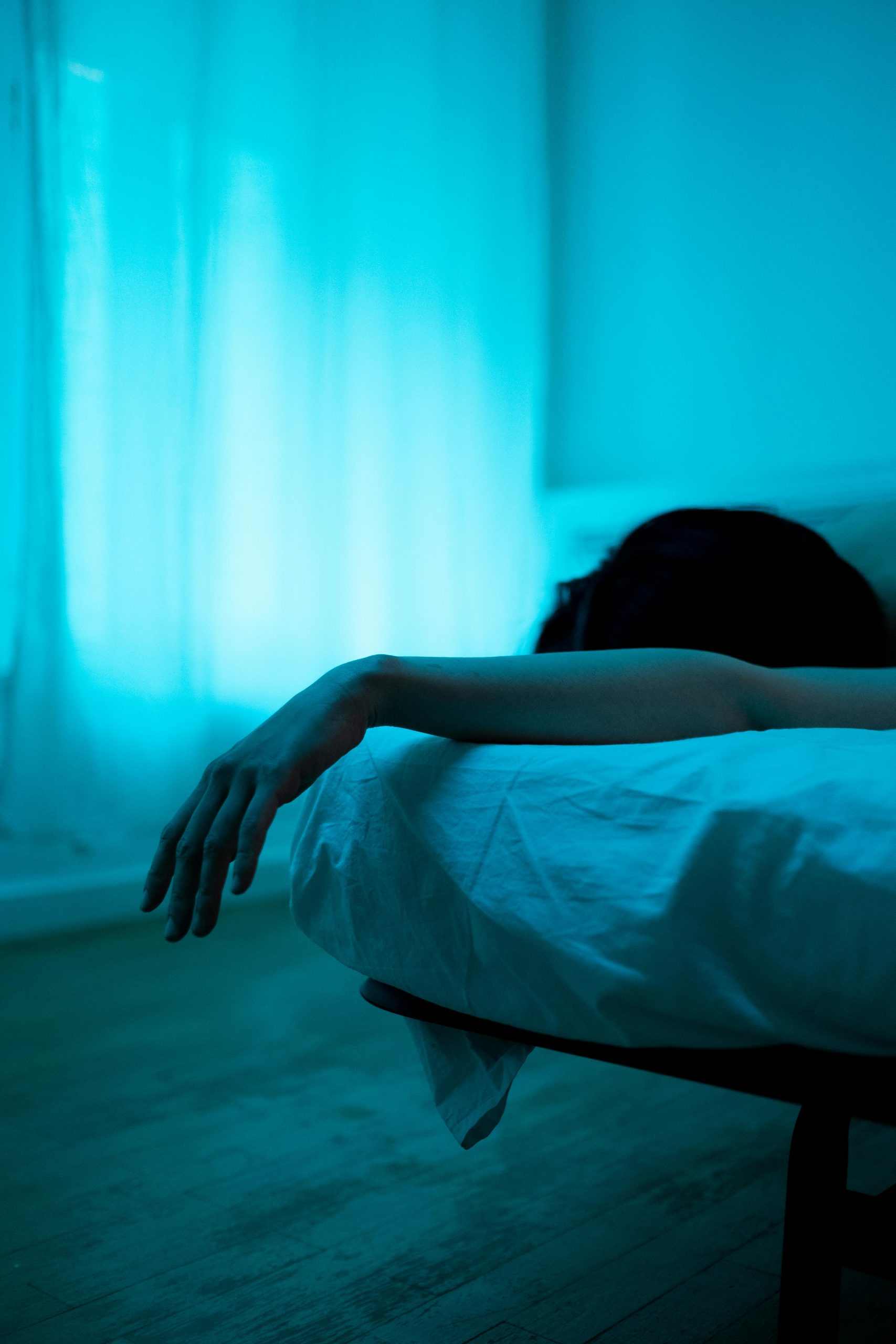
Navigating Roommate Lighting Habits: How to Respect Each Other’s Sleep Needs
Sharing a living space can be a wonderful experience, fostering friendship and independence. However, it also requires open communication and understanding, especially when habits impact each other’s well-being. One common issue that arises among roommates is divergent sleep routines and comfort levels with lighting.
Understanding the Situation
Consider a scenario where a student, who frequently returns home late after attending various clubs and extracurricular activities, encounters a recurring issue: their roommate tends to fall asleep with a lamp on. When the returning student showers or conducts evening skincare routines lasting about ten minutes, they often inadvertently wake their roommate. Despite the roommate wearing an eye mask and seemingly unaffected, the lamp’s brightness illuminates the entire room, which can disrupt the student’s sleep, particularly given early class schedules.
This situation highlights a common challenge: balancing the need for personal comfort with consideration for a roommate’s sleep environment. The roommate’s sensitivity to light and their use of an eye mask suggest a desire for darkness while sleeping, but their habit of leaving the lamp on complicates the situation.
Effective Strategies for Addressing Lighting Concerns
-
Open and Respectful Communication
The first step is having a calm, respectful conversation. Express your needs clearly—such as the importance of sleeping in darkness due to early classes—and acknowledge your roommate’s routines and comfort. Emphasize that your intention is to find a solution that works for both of you. -
Suggest Alternative Lighting Options
Encourage your roommate to consider using lower-wattage bulbs, bedside lamps with adjustable brightness, or even a small, directional light that doesn’t illuminate the entire room. A clip-on reading light or a personal headlamp might provide comfort without disturbing others. -
Establish Nighttime Roomuse Guidelines
Agree on some guidelines for nights when you return late. For example, your roommate might turn off the main light when she goes to sleep, or you could agree on a protocol for minimal disturbance during your evening routines. -
Utilize Personal Accessories
Since your roommate already uses an eye mask, perhaps she could also keep a small, personal light source nearby for her nighttime activities, reducing the need for the main lamp. -
Create a Sleep-Conducive Environment
Invest in sleep accessories such as blackout curtains or noise machines to help you sleep better in shared spaces. This reinforces your commitment to restful sleep