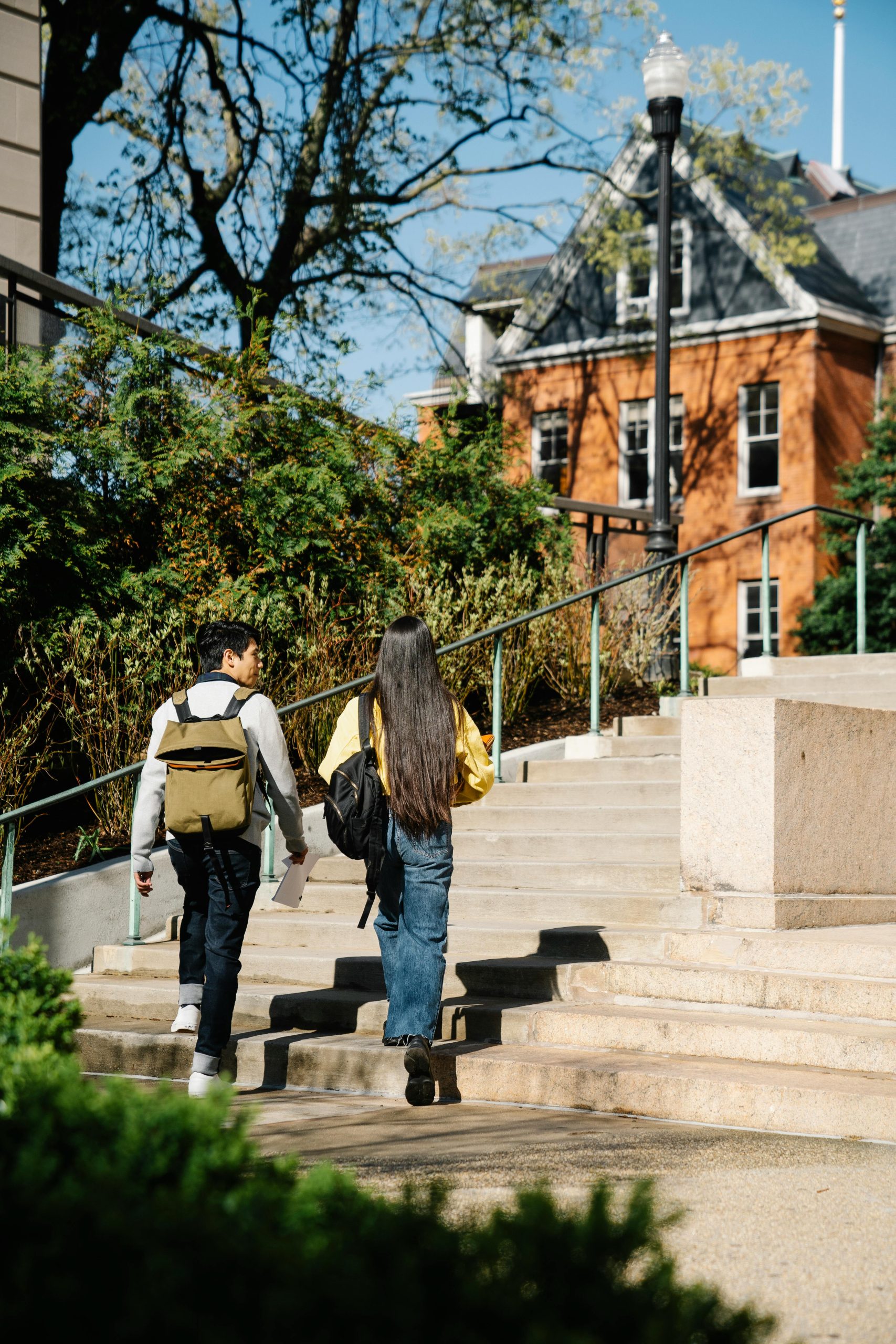
Navigating Social Integration in University Without Traditional Social Media
Embarking on a new academic journey can be both exciting and daunting, especially when it comes to establishing a social presence. For students who have consciously limited or abstained from social media over the years, the question often arises: will I face social challenges in university life without these platforms?
A Case Study: Student Perspectives on Social Media Abstention
Consider the experience of a 19-year-old incoming university student who has voluntarily refrained from using social media for approximately three years. The decision stemmed from a desire to reduce exposure to what they perceive as negatively impacting influences. Despite this, they report not struggling with social interactions generally. Their social circle predominantly comprises older friends in their mid-20s, met through shared interests, illustrating that meaningful connections can thrive outside mainstream social media platforms.
The Dilemma: To Re-Engage or Not?
This student observes that a significant amount of social activity, updates, and group chats—particularly on platforms like Instagram—occurs within social media environments. They express concern about potentially missing out on important social cues or events if they remain disconnected. The question they pose is whether reinstalling Instagram or similar platforms might facilitate social integration in the university setting, or if such a step might be unnecessary or even counterproductive.
Understanding the Role of Social Media in University Life
While social media can serve as a convenient means of staying informed about events, group activities, and peer interactions, it’s important to recognize that involvement is not solely dependent on these platforms. Many students successfully build and maintain vibrant social lives through face-to-face interactions, participation in campus organizations, or through other communication channels.
Alternative Strategies for Social Engagement
-
In-Person Engagement: Attending campus events, joining clubs, and participating in group projects foster real-world connections.
-
Messaging Apps: Using traditional messaging platforms (texting, WhatsApp) directly can help maintain informal communication without the need for broader social media involvement.
-
Building on Existing Relationships: Maintaining strong relationships with friends met through shared interests or academic pursuits can provide a supportive social network.
Conclusion: Is Re-Downloading Social Media Platforms Necessary?
Ultimately, whether to re-download social media hinges on individual comfort and personal goals. If the absence of platforms like Instagram does not hinder your academic or social experience, it may be beneficial to continue focusing on offline and direct communication methods. Conversely, if you feel that being connected could enhance your university experience, gradual re-engagement