Understanding Your Rights: Can Professors Alter Student Work Without Permission?
Navigating academic boundaries can often be challenging, particularly when it comes to student ownership of work and instructor authority. Recently, a student shared a concerning experience involving a professor’s unauthorised alterations to their project for a class exhibit. While this account is specific, it highlights broader questions about the rights students have regarding their submissions and the extent of a faculty member’s authority.
Background of the Situation
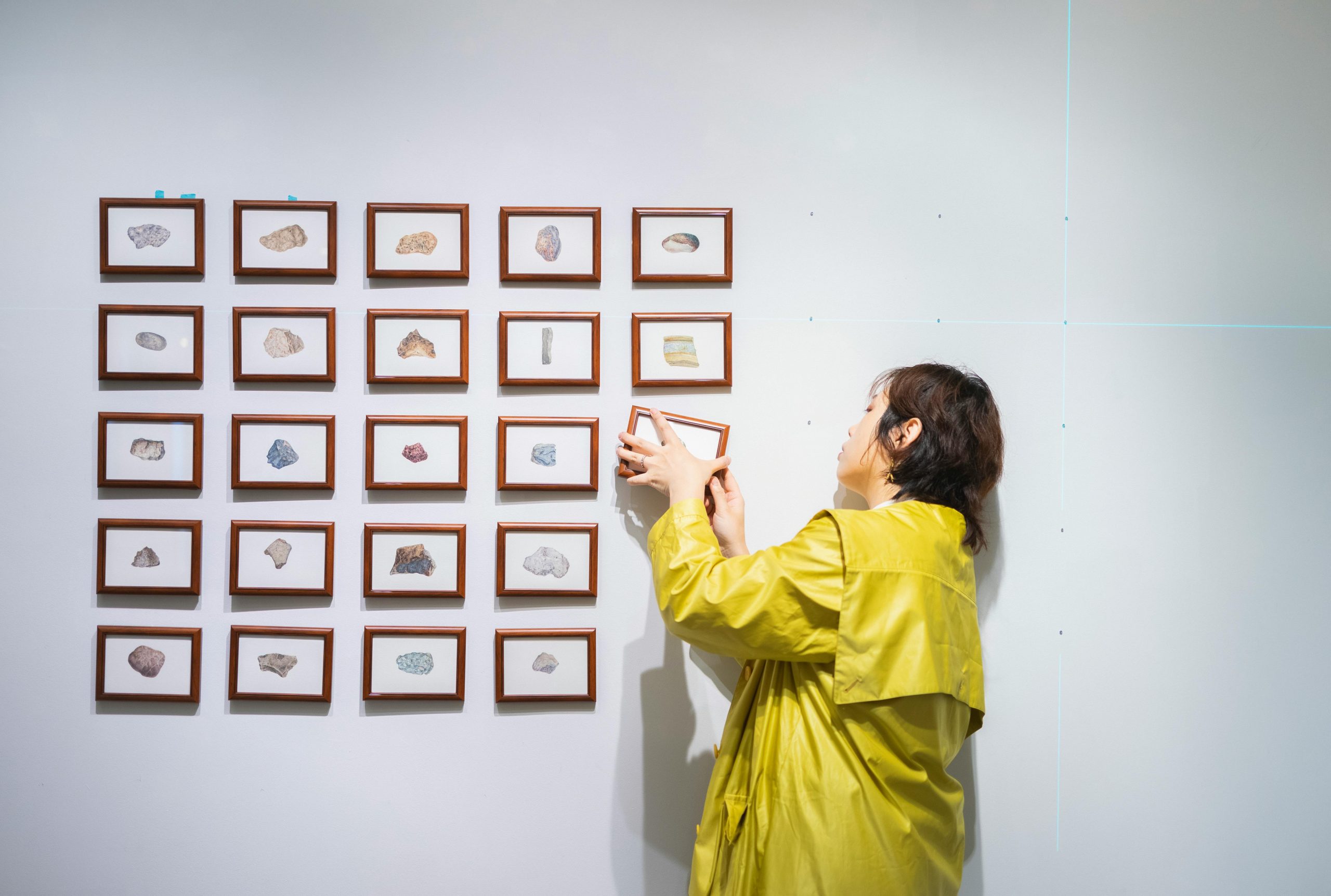
The student was enrolled in a Mexican American Art Appreciation class at a community college in Texas. As part of the course, students embarked on a project to create an exhibit centered around protests related to Mexican American activism. The assignment involved researching protests, designing a linocut poster incorporating Mexican American art styles, and preparing visual materials for an exhibit display, including photographs and captions.
Complications During the Project
Initially, the assignment outlined group work: students were to collaboratively produce a protest-related poster and related display materials. However, during the process, the instructor unexpectedly shifted the project to individual efforts, instructing students to produce their own posters independently. This change was compounded by last-minute logistical challenges; the instructor did not have the necessary materials until two days before the deadline, and students had only one class session of 75 minutes to print their posters.
Additionally, the students were tasked with submitting digital files of photographs and captions through a shared cloud storage platform for printing. Problems arose when the instructor did not print some images due to file type or quality issues, altered the sizing of one student’s work without consent, and selected extra images independently—some of lower quality than the originals. Most notably, the instructor rewrote or significantly edited a student’s caption without permission, prompting the student to physically destroy the printed version in frustration.
Student’s Response and Concerns
Despite these challenges, the student adapted by planning to print their own captions and continue working independently. Concerned about the instructor’s conduct, the student, along with a classmates, planned to bring a formal complaint to the department chair, including written statements and signatures to support their account.
Legal and Academic Considerations
This situation raises important questions about academic rights and responsibilities. Generally, in higher education, students retain ownership of their submitted work, and faculty are expected to evaluate it without unauthorized alterations. According to academic integrity policies and common institutional guidelines, instructors should not modify or rephrase student submissions without explicit permission. Furthermore, any substantial changes—such as rewriting captions or altering artwork—should be communicated and approved beforehand.
In Texas, public colleges and universities adhere to state and federal regulations that emphasize student rights to their work unless specified otherwise in course policies. It is advisable for students to consult their institution’s policies on academic work, intellectual property rights, and grading practices. If an instructor modifies a student’s work without consent, this could potentially constitute a violation of academic standards or institutional policies.
Recommendations for Students
If you find yourself in a similar situation, consider the following steps:
-
Document Incidents: Keep detailed records of interactions, including emails, notices, and copies of original work.
-
Communicate Clearly: Politely request clarification from the instructor about any modifications to your work and ask for permission beforehand.
-
Seek Support: Contact your department chair, academic advisor, or student advocacy office to report concerns and seek guidance.
-
Review Policies: Familiarize yourself with your institution’s policies on student work ownership and instructor responsibilities.
-
Know Your Rights: Understand that your original work should typically remain unaltered unless you agree otherwise. Unauthorized changes may be subject to institutional review.
Conclusion
While faculty members have a degree of authority in evaluating student work, this authority does not extend to altering submissions without explicit permission. Respecting student ownership of creative projects and written work is fundamental to academic integrity. If you experience unauthorized modifications, do not hesitate to seek support through official channels. Understanding your rights can empower you to navigate academic challenges effectively and uphold the integrity of your creative and scholarly efforts.
Have questions or experiences to share? Feel free to comment below or consult with your institution’s student support services for personalized advice.