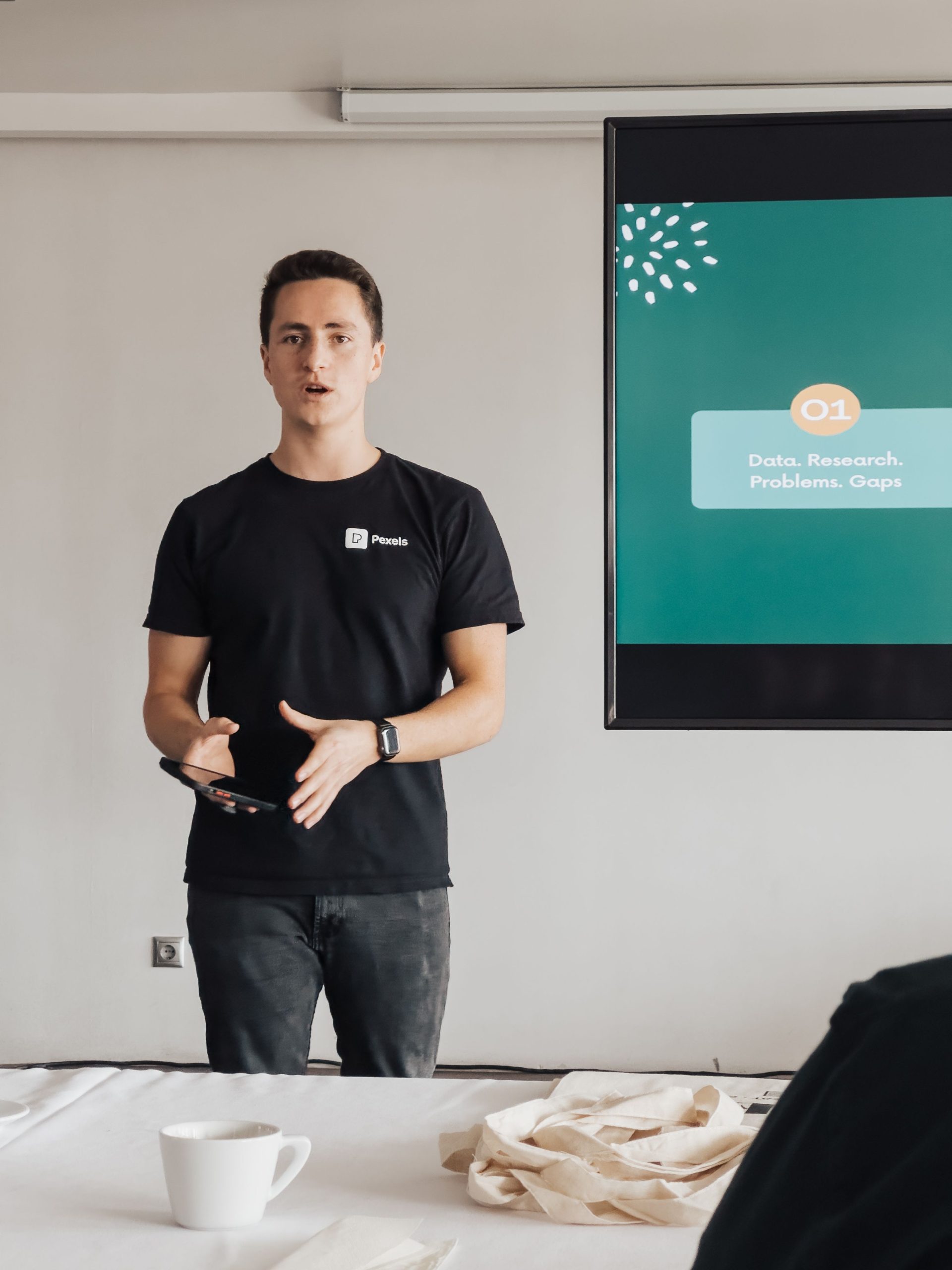
Navigating the Transition from Research Paper to Conference Presentation: Tips for Undergraduates
Celebrating your research success is certainly an exciting milestone. Receiving acceptance to present at a conference is no small feat—especially as an undergraduate. However, this achievement also brings new challenges, particularly when it comes to preparing an effective oral presentation based on your detailed research paper. If you’re feeling overwhelmed about transforming your comprehensive document into a compelling, succinct presentation, you’re not alone. Here are some insights and practical tips to help you navigate this process with confidence.
Understanding the Conference Audience and Format
Your presentation audience primarily comprises graduate students and faculty members—individuals well-versed in research topics similar to your own. The presentation is scheduled to last approximately 20 minutes, followed by a Q&A session. This setting emphasizes clarity, conciseness, and engagement, rather than exhaustive detail.
The Transition: From Paper to Presentation
Converting a 20-page technical paper into a clear and confident oral presentation involves distilling your research to its essential elements while maintaining accuracy and depth. Recognize that slides are visual aids that complement your spoken words—they should not replicate every detail from the paper.
Practical Strategies for Creating Your Presentation
1. Start with Your Core Message
Identify the main questions your research addresses and the key findings. Focus on what you want the audience to take away. This core message becomes the foundation of your presentation.
2. Outline Your Presentation Structure
A typical research presentation includes:
- Introduction: Context and problem statement
- Methods: Brief overview of how you conducted your research
- Results: Key findings
- Discussion/Implications: Significance and potential applications
- Conclusion: Summary and future directions
Keep each section concise—in 20 minutes, aim for roughly 1-2 minutes per section, leaving ample time for Q&A.
3. Simplify and Prioritize Content
- Avoid Overloading Slides: Use the “less is more” principle. Each slide should communicate a single idea or data point.
- Decide What to Cut: Focus on essential concepts. Details from the paper that do not directly support your core message can be omitted unless specifically questioned.
- Use Visuals: Graphs, diagrams, and images are more effective than text-heavy slides. Visuals help convey complex ideas quickly and clearly.
4. Designing Effective Slides
- Use large, readable fonts.
- Limit text to bullet points or short phrases.
- Incorporate charts and visuals to illustrate data.
- Maintain a consistent style and color scheme for professionalism.
5. Practice Delivery and Anticipate Questions
- Practice multiple times to build familiarity and confidence.
- Record yourself to identify areas for improvement.
- Prepare responses to potential questions, especially on complex or technical aspects.
Managing Presentation Anxiety
Feeling nervous is normal, especially when speaking about your own research. Remember:
- You are the expert on your research.
- Practice transitions between slides to be smooth.
- Focus on clear articulation and pacing.
- Take deep breaths and stay composed during questions; it’s okay to pause and think before answering.
Final Tips
- Seek feedback from peers, mentors, or faculty members.
- Attend other conference presentations to observe pacing and style.
- Remember, your enthusiasm about your research can be contagious—let that passion show.
Conclusion
Preparing a conference presentation from a detailed research paper is a skill that develops with practice and experience. By focusing on your main message, simplifying your visuals, and practicing thoroughly, you can craft a presentation that is both clear and impactful. Embrace this opportunity as a valuable learning experience and a step forward in your academic journey. Good luck—you’ve got this!
If you’re looking for more resources on effective presentations or public speaking, consider workshops or online tutorials tailored for academic researchers.